What Is Dried Lime?
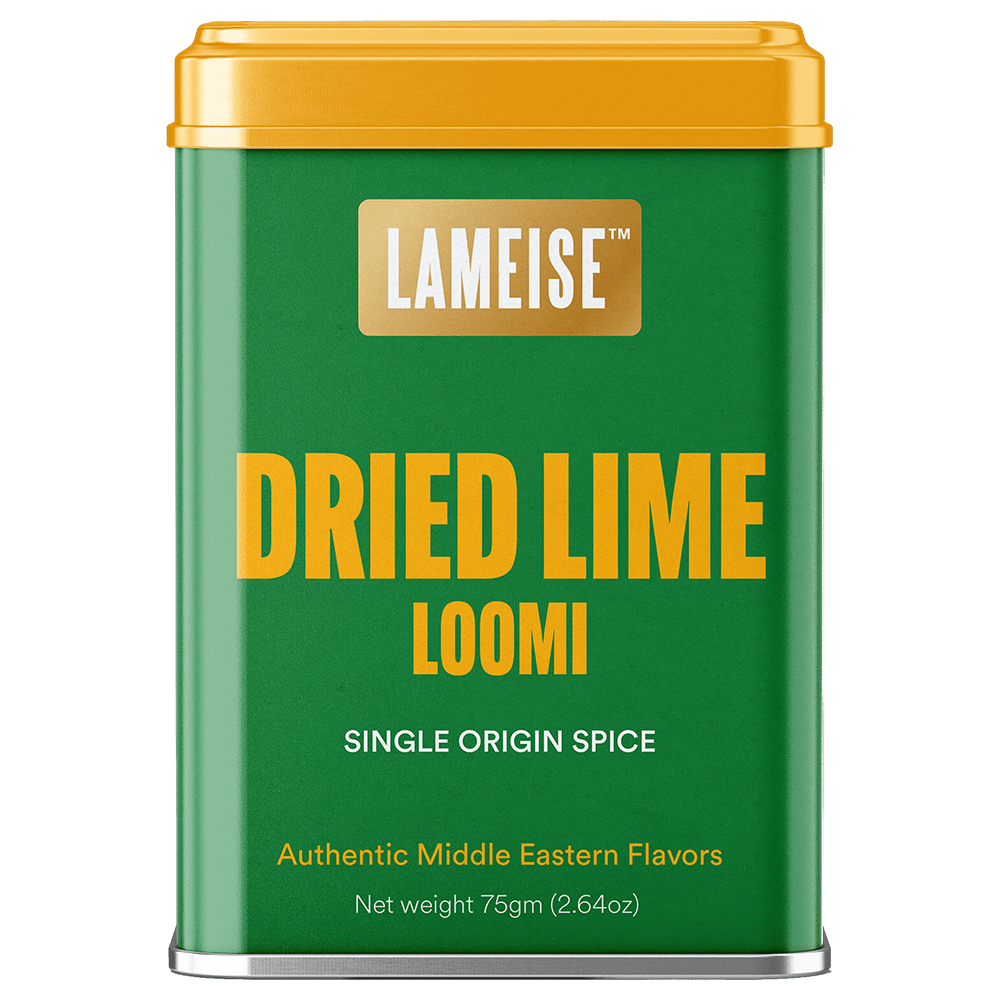
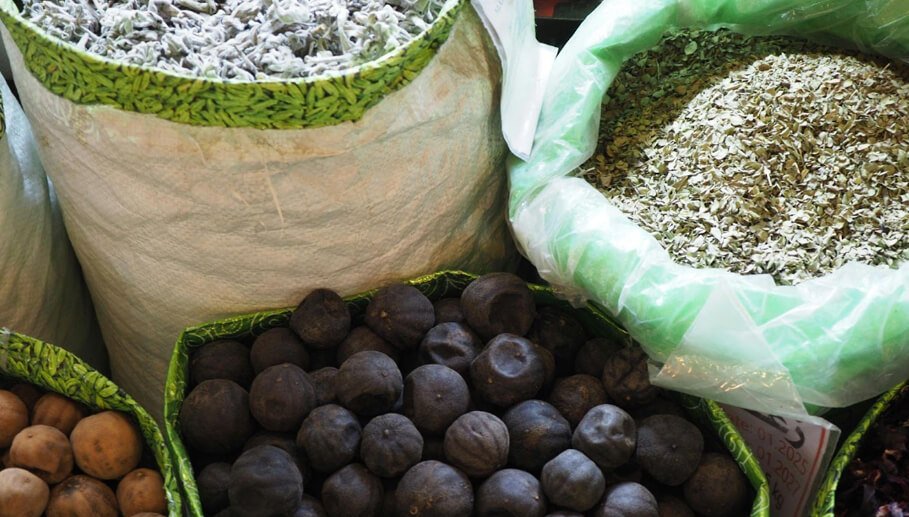
Dried lime is made by drying whole fresh limes until their interior darkens and the shell hardens. Also known as loomi or black lime, it is widely used across the Middle East and Persian Gulf. Dried lime delivers concentrated citrus flavor, deep aroma, and a subtle bitterness that fresh lime cannot replicate.
How Dried Lime Is Made
Ripe limes are harvested, washed, and dried whole—traditionally under the sun. As moisture evaporates, flavor concentrates and the interior darkens. This slow drying process is what gives dried lime its bold, layered profile.
What Does Dried Lime Taste Like?
Dried lime is intensely sour, deeply citrusy, and slightly bitter. It adds acidity and complexity rather than brightness, making it ideal for savory dishes and long cooking times.
Traditional Uses of Dried Lime
In Middle Eastern and Gulf cuisines, dried lime is commonly used in stews, rice dishes, soups, and legume-based meals. Whole dried limes are often pierced and simmered, then removed before serving.
Modern Ways to Cook With Dried Lime
Dried lime can be cracked into broths, ground into spice blends, added to marinades, or sprinkled lightly over roasted vegetables. A small amount goes a long way.
Whole vs. Ground Dried Lime
Whole dried limes are best for slow-cooked dishes and infusions, while ground dried lime is ideal for seasoning blends, rubs, and finishing dishes.
Why Dried Lime Works in Savory Cooking
Unlike fresh citrus, dried lime holds up to heat and long cooking times. It balances rich ingredients, adds acidity without sweetness, and creates depth rather than sharpness.
How to Store Dried Lime
Store whole dried limes in a cool, dry place and ground dried lime in an airtight container. Avoid moisture and direct sunlight to preserve flavor.
Why Dried Lime Belongs in Your Kitchen
Dried lime is bold, assertive, and deeply flavorful. Once you understand how to use it, it becomes an essential tool for adding complexity to savory dishes.
If you like what you read, then try it out: